What are the common early signs of water damage?
Detecting early signs of water damage can prevent significant issues down the road. Some common indicators include discoloration on walls or ceilings, a musty odor, and warped or buckled flooring. These signs often precede more serious damage, so catching them early is crucial. For instance, discoloration might appear as yellowish-brown stains, indicating a slow leak behind the wall. A musty odor often suggests mold growth, which can spread rapidly if not addressed. Warped or buckled flooring can indicate prolonged exposure to moisture, which might stem from leaks under the surface or inadequate sealing. By regularly inspecting these areas, homeowners in Ridgewood can catch potential problems early. Consider setting a monthly reminder to inspect key areas of your home, such as bathrooms, kitchens, and basements, where water usage is frequent. Checking under sinks, around appliances like dishwashers or washing machines, and in basements can also be fruitful. These areas are prone to leaks due to plumbing issues or appliance malfunctions. Addressing these issues promptly can save you from more extensive repairs and costs later. Moreover, early detection can prevent health hazards associated with mold and mildew growth.
How do I check for hidden water damage?
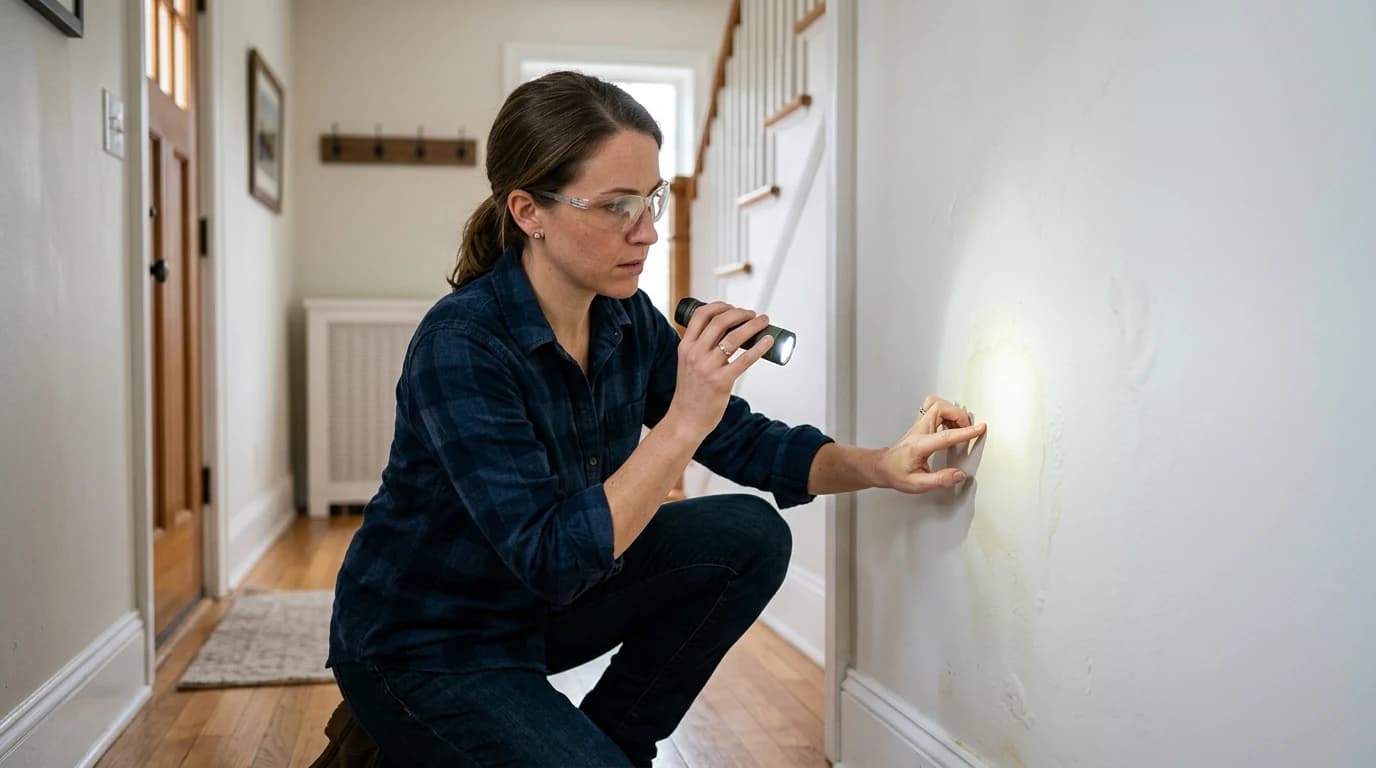
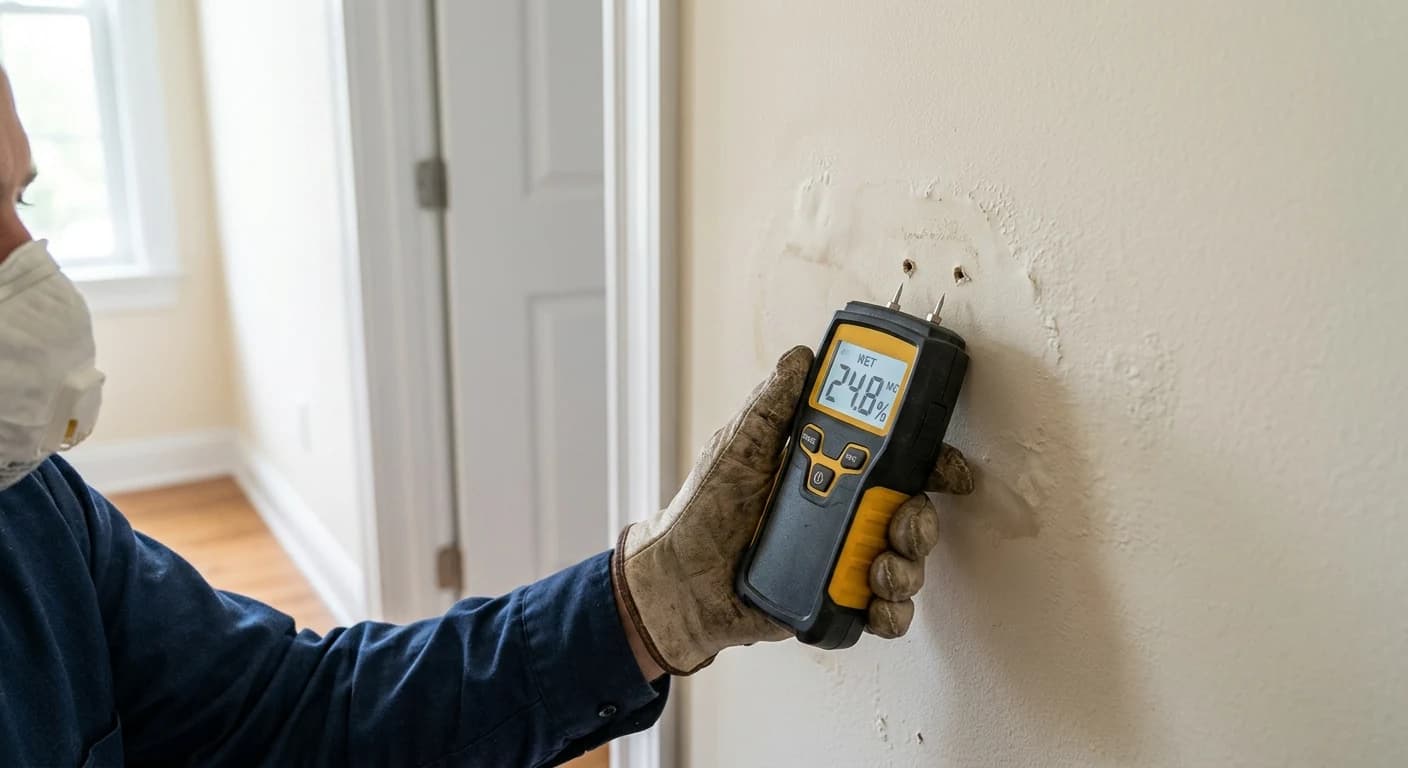
Hidden water damage can be particularly tricky to identify, but it's not impossible. Use a flashlight to check for moisture in less obvious places like crawl spaces and attics. These areas are often forgotten but can harbor significant moisture problems due to poor ventilation or roof leaks. A moisture meter can be a valuable tool for detecting dampness in walls or floors. This device measures the moisture content of materials, helping you pinpoint areas that might require closer inspection. Look for peeling paint or wallpaper, which can be signs of hidden moisture. These symptoms often indicate that moisture is trapped behind the surface, leading to deterioration. If you're unsure, professional inspections can offer peace of mind and ensure no area is overlooked. Experts have specialized tools and experience to identify and remedy hidden issues effectively. Consider reaching out through our services page if you need expert help. Additionally, regular maintenance such as cleaning gutters and ensuring proper drainage around your home can prevent water from seeping into hidden areas.
What should I do if I find water damage?
If you discover water damage, it's crucial to act quickly. Start by stopping the source of water if possible, which might involve shutting off the main water supply or fixing a leaking pipe. Then, document the damage for insurance purposes. Take clear photos and notes of the affected areas, as this will be helpful during the claims process. Dry the area thoroughly to prevent mold growth, which can begin within 24 to 48 hours of exposure to moisture. Use fans, dehumidifiers, and ventilation to expedite the drying process. Assess the extent of the damage by inspecting the surrounding areas for hidden moisture, using a moisture meter if necessary. Minor issues like small leaks or damp spots may be manageable on your own, but significant damage often requires professional assistance. Investing in expert help can ensure the affected area is completely restored and safe. Professionals can also assist with mold remediation, structural repairs, and ensuring your home meets safety standards. Additionally, consider reviewing your homeowner's insurance policy to understand coverage options and file a claim if applicable.
How can I prevent water damage in the first place?
Preventing water damage is often more cost-effective than dealing with the aftermath. Start with regular maintenance checks around your home. Inspect your roof for missing or damaged shingles and ensure gutters are clean and free-flowing to prevent water accumulation. Properly sealing windows and doors can also prevent water from entering during heavy rains. In areas prone to flooding, consider installing a sump pump to divert water away from your home's foundation. Regularly check your plumbing for leaks or corrosion, paying special attention to areas under sinks, around toilets, and near appliances that use water. Consider installing leak detectors that can alert you to potential problems before they escalate. These devices are especially useful in basements and near water heaters. Additionally, maintaining a consistent indoor humidity level can reduce the risk of condensation, which can lead to water damage over time. Use dehumidifiers in damp areas like basements or crawl spaces to manage moisture levels. By taking these preventive measures, you can significantly reduce the risk of water damage and ensure your home remains safe and dry.
What are the long-term effects of untreated water damage?
Ignoring water damage can lead to severe long-term consequences for both your home and health. Structurally, prolonged exposure to moisture can weaken wood, drywall, and other building materials, leading to warping, rotting, and eventual structural failure. This can compromise the integrity of your home, making it unsafe over time. In addition to structural issues, untreated water damage creates an ideal environment for mold and mildew growth. Mold spores can spread quickly, affecting indoor air quality and posing health risks, especially for those with allergies or respiratory conditions. The longer mold remains unchecked, the more difficult and costly it becomes to remove. Furthermore, water damage can lead to electrical hazards if moisture reaches wiring or outlets, increasing the risk of short circuits and fires. It's crucial to address water damage promptly to avoid these potential dangers. Regular inspections and maintenance, as well as professional assessments when needed, can help identify and resolve issues before they escalate. Taking action early not only preserves your home's value but also ensures a safe and healthy living environment for you and your family.
How to Choose the Right Water Damage Restoration Professional
When faced with water damage, selecting the right restoration professional is crucial to ensure effective and efficient recovery. Start by researching local companies with strong reputations. Look for professionals who are certified by the Institute of Inspection, Cleaning and Restoration Certification (IICRC) as this indicates adherence to industry standards. Check online reviews and ask for recommendations from neighbors or friends who have dealt with similar issues. It's important to choose a company that offers a comprehensive range of services, including water extraction, drying, mold remediation, and structural repairs. Inquire about their response time; quick action is essential to minimize damage. A reputable company should provide a detailed assessment and a transparent estimate before starting work. Ensure they use advanced equipment, such as industrial-grade dehumidifiers and moisture meters, which are vital for effective restoration. Ask about their experience with insurance claims, as navigating the claims process can be complex. A knowledgeable professional can assist in documenting the damage and communicating with your insurer to facilitate a smooth claims process. Additionally, consider their availability for emergency services, as water damage often requires immediate attention. By selecting a qualified and responsive restoration professional, you can mitigate damage effectively and restore your home to its original condition.
Understanding the Role of Insurance in Water Damage Restoration
Navigating insurance coverage for water damage can be challenging, but understanding your policy can save time and money. Start by reviewing your homeowner's insurance policy to determine what types of water damage are covered. Generally, sudden and accidental incidents, like burst pipes, are covered, while gradual damage, such as slow leaks, may not be. It's important to document any water damage thoroughly. Take detailed photographs and notes as soon as you notice a problem. This documentation will be crucial when filing an insurance claim. Contact your insurance provider promptly to report the damage, as delays can complicate the claims process. An adjuster will likely be sent to assess the damage and determine the extent of coverage. Be prepared to provide any documentation you have gathered, including repair estimates from professionals. It's wise to understand the difference between water damage and flood damage, as standard homeowner's policies often do not cover flooding. If you live in an area prone to flooding, consider purchasing separate flood insurance. Additionally, some policies may offer endorsements or riders that cover specific water-related risks not included in standard coverage. By familiarizing yourself with your insurance policy and maintaining open communication with your provider, you can ensure a smoother restoration process and better financial protection.